Use the time well.
What you share ahead of time helps us focus on the concerns that brought you here.

A 30-minute call to review your student’s goals, timeline, and the right next step. That may be a diagnostic, independent work on the platform, or tutoring.

We review the context first, then use the time together to make the next decision clearer.
What you share ahead of time helps us focus on the concerns that brought you here.
You will see what needs attention now, what is getting in the way, and what can wait.
You will leave with one next step and its reason.
These are the five things we work through before recommending a program, a diagnostic, or any next step.
Target score, target school, confidence, motivation, and what success would actually change.
Recent scores, section breakdowns, practice history, and the questions that keep repeating.
Test date, weekly availability, accommodations, school workload, and the pace the student can sustain.
A diagnostic, a focused tutoring path, a broader foundation plan, or a clear independent next step.
A recommendation tied to the record, cost, and timeline.
Yes. The first conversation is for understanding the student and identifying the right starting point. There is no obligation to enroll.
No. We prefer the first consultation to be with a parent or guardian so we can discuss goals, concerns, and options candidly. If student input would be helpful, we can involve them later.
A recent score report, a likely test date, any target schools or scores, and a short account of what has felt hardest are all useful. The form can hold most of that context in advance.
You receive a clear recommendation for the next step. That may be a diagnostic, tutoring plan, foundation work, or a more appropriate route outside a paid program.
Start with the exam, existing scores, or target school.

Start with the exam
Build a section-by-section baseline before deciding how to prepare.
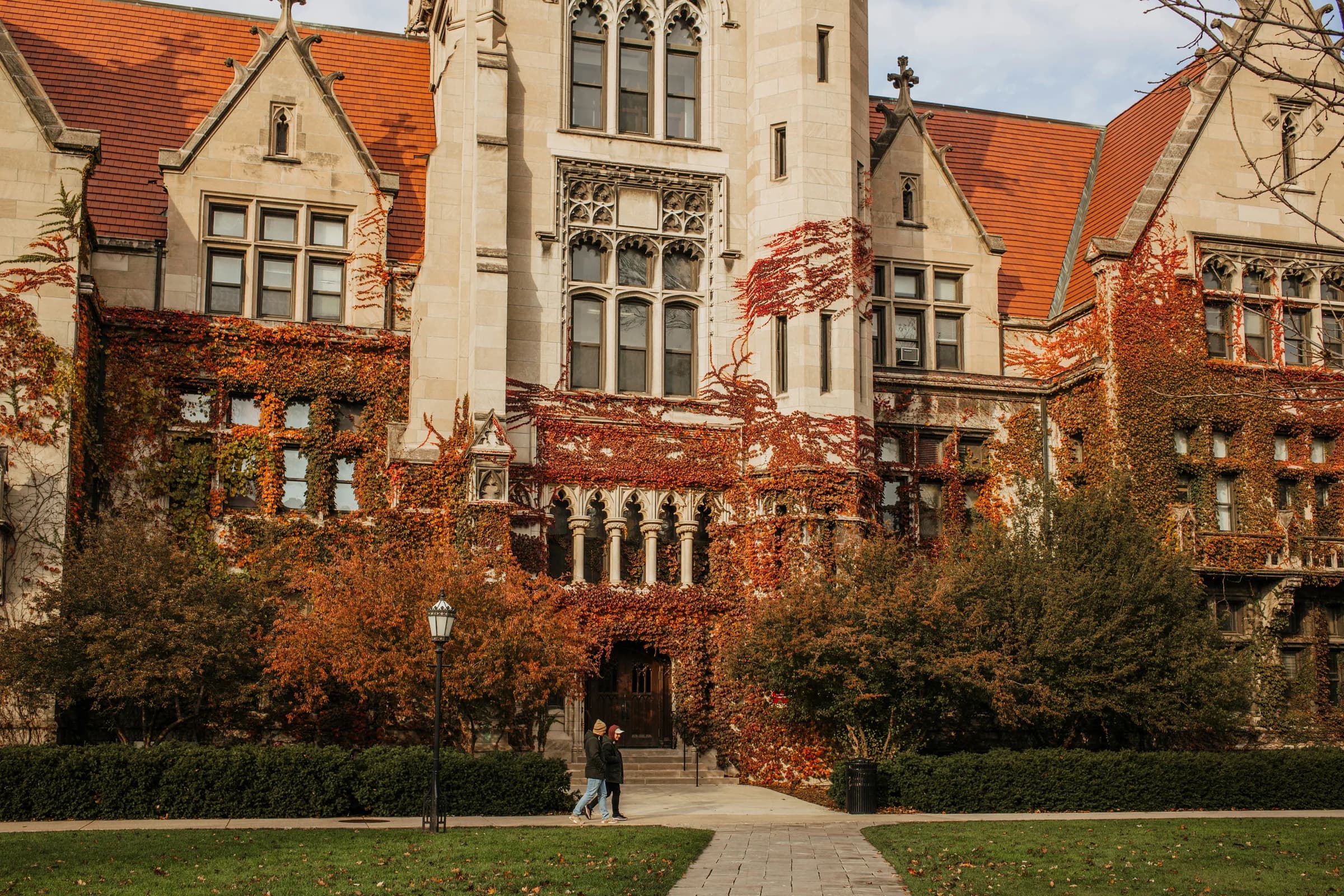
College admissions
Compare both exams against the student’s score goal and timeline.

Independent schools
Choose a preparation path that matches the exam and the application timeline.